Thursday, November 29, 2012

Are all calories the same?

I hope you are having a great and healthy day.  After Thanksgiving last week I think we are all trying to get back on track with our diet programs.  We are just about finished with all of our leftovers.  I cannot wait to get rid of all this food (although it is delicious).  I thought I would put up a quick nutrition post for you to read through.

For years we have been told weight loss is simple.  Calories in vs. Calories out.  Basically if you eat least and move more you will lose weight.  Now I believe this for the most part is true.  If you, in general, just eat less than you usually do and move more you will probably lose some weight.  This formula may not work forever though.  You might have started a diet and lost some weight but then saw a plateau.  While this formula is a great start, we should look at what type of calories and food we are consuming to help us lose weight faster and stay healthier.

I found three studies from the American Journal of Clinical Nutrition that look at this topic.  Are all calories created equally?  Here is what they found.

In the first study, they followed subject for 5 years to see the relationship between the types of calories we consume and waist circumference.  We already know that increased waist circumference leads to a number of health related problems.  After 5 years they found that those who consumed a high protein diet (especially animal protein) saw a decrease in waist circumference.  Also those who's carb consumption was mainly fruits and vegetables.  There was an increase in waist circumference with those who consumed more refined grains, potatoes, vegetable fat, and alcohol from spirits.

In the next study they compared four popular diet programs.  They used Atkins for a low carb diet, the LEARN program for low fat, high carb, and exercise, the Ornish diet for a low fat diet, and the Zone diet for balanced macro nutrients of 40% carbs, 30% protein, and 30% fat.  All diets allowed the same number of calories, just different ratios of macronutritients.  For all programs there was about a 500cal decrease in total calories for the day.  They found that all participants reduced fat over an 8 weeks period.  The interesting part of this study was that they found each program resulted in deficiencies in critical vitamins and minerals.  Below are the defeciencies for each plan:

Atkins- Thiamin, Folic Acid, Vitamin C, Iron, and Magnesium
LEARN- Vitamin E, Thiamine, Magnesium
Ornish- Vitamin E, B-12, and Zinc
Zone- Vitamin A, Vitamin E, Vitamin K, and Vitamin C

So this brings up a completely different issue that changing what type of calories we eat leads to vitamin and mineral deficiencies.  If you know you have a problem with any of the above already you will want to avoid these specific diet plans.

And our final study, simply compared a high protein vs a high fat diet using the same overall calories.  In this study they found that the high protein diet resulted in greater fat loss, greater decrease in triglyceride levels, LDL, HDL, glucose levels, insulin, free fatty acids, and C-reactive proteins.  B-12 also increased while those following a high fat diet saw a decrease in B-12.  The high protein diet also resulted in better bone regeneration.

So what these studies show us that decreasing your calories overall will probably result in some weight loss, but we are not seeing the whole picture.  Manipulating the amount of fat, carbs, and proteins you are consuming will also make a huge difference in weight and overall health.  My main recommendations would be to consume a variety of whole foods, avoid refine grains, and increase Omega 3 consumption.

You Stay Healthy San Diego,

Mike Deibler MS, CSCS
San Diego Premier Training
My Workout Creator

Sunday, November 11, 2012

3 Things to help with back pain

You may have heard a stat that went something like, "80% of all people suffer from at least one episode of back pain that will effect their daily activities for at least one week."  I'm actually not sure where this stat came from, but I wouldn't be surprised if it is an underestimate.  I don't know many people that have never had some sort of back issue at some point in their life. 

I'm no different.  While my back pain is pretty rare I have still had my share of issues occur.  Even if you are in great shape things can still happen.  When we look at our average day, we sit most of the time, at our desk, driving, watching tv....While in this seated position, we are putting our lumbar spine into a flexed or rounded position.  Upon standing it is likely that this position will stick.  Then we move around or exercise and get hurt because our backs were in a high risk position. 

So if you injured your back what should you do about it?  Honestly, the easiest answer is go to the doctor to see what is going on.  I know that is not the answer you are looking for, but don't worry I have some other things you can do (but still see a professional about it will save you a lot of time and pain). 

When back issues come up I will get the question, "what is the best stretch I can do for my back?"  Unfortunately there isn't a back stretch that will really help you out.  In fact, you don't want to do much low back stretching.  When we look at the lumbar spine as a joint, it's main responsibility is stability.  We do not want movement to occur at our lower backs, pretty much ever.  So if you stretch this area out, you are gaining more mobility there.  So while the stretch might feel good while you are doing it, afterwards you have increased range of motion at a place we really do not want it. 

So instead of giving you back stretches to help with your back pain or to help prevent it from occuring, here are three things you SHOULD do to help out that busted up lower back:

1.  Improve Hip Mobility

I mentioned that the lower back was a stability joint so we need it to be stable.  The hips, on the other hand, are very mobile.  Or at least they are suppose to be.  Many times when we lose hip mobility from sitting too much or lack of exercise, we make up for it by putting the back under higher strains and create movement where it should not occur.  So work on improving your hip mobility with a few stretches.  Below are a few videos of some of my favorites.


2.  Improve Thoracic Spine Mobility

This is for the same reason listed above for the hips.  The thoracic spine, or upper back, should be  a mobile joint.  Try some of these exercises below to help improve thoracic mobility.


3.  Improve Core Stability

So we improved our joints that need to be mobile, so now we need to improve strength and endurance at our stable joint of the lumber spine.  For these exercises we want to see the lumber spine neutral and no movement occur at the lower back.  Even if the arms and legs are moving we really have to focus on bracing the core and prevent ANY movement from taking place at the lower back.  Again here are some of my favorites for this.


So there you have it.  If you have back is or have had some in the past, try improving these three things instead of trying to stretch out your low back.

You Stay Healthy San Diego,

Mike Deibler MS, CSCS
San Diego Premier Training
My Workout Creator

Tuesday, October 23, 2012

Is Internal Inflamation Making You Gain Weight?

You may or may not realize that our activity levels and food we eat can cause internal inflammation in our body.  Weight gain is another cause of inflammation.  This can become a dangerous cycle.  We eat poorly which can lead to inflammation and disease, and this can lead to more weight gain. 

When we have inflammation occuring the body becomes resistant to certain hormones like insulin and leptin.  Leptin is a crucial hormone for weight loss.  This hormone controls our appetite and affects our metabolism by controlling energy expenditure.  Leptin becomes bound which makes it more difficult to pass through the blood brain barrier, so you don't know when you are actually full.   So basically if you are more resistant to this hormone you will not only be more hungry, you will also burn less calories. 

When we have more trouble using fat for fuel do to resistance to fat burning hormones we have extra fat in the body.  This fat has to go somewhere.  This extra fat will not typically be stored for later use however.  This fat will begin to go to our organs, such as the liver, which will cause inflammation.  My last post was about how you may have a fatty liver if you eat too much sugar.  This is a type of inflammation. 

Not only does inflammation lead to weight gain it also leads to serious disease.  The main disease we are concerned with here is heart disease.  Those that have inflammation are at a much higher risk for suffering from serous heart conditions. 

So what can be done?  First off it is a good idea to see your doctor and test for inflammation.  It is usually done by check you C Reactive Protein levels. 

I just found two studies that show how we can help reduce this problem.  First from the American Journal of Clinical Nutrition, a group of researchers looked at obese individuals who were not diabetic.  For 8 weeks they gave them about 3g of Omega 3 Fatty Acids (EPA, DHA).  After eight weeks all participants saw a significant decrease in inflammation of fatty tissue.  Here is a video explaining how these fatty acids can help reduce inflammation: 

www.mikedeibler.getprograde.com/essential-fatty-acid.html

Make sure you are staying away from Omega 6 Fatty Acids.  These are found all over the Western Diet. 

The second study from Medicine & Science in Sports & Exercise.  This study looked at resistance training and effect on inflammation.  Again a group of obese individuals were studied.  They performed 3 sets of 10 exercises for 8-12 reps three times per week.  They continued this exercise routine for 12 weeks.  After 12 weeks they found a 33% reduction in C reactive protein in the blood.  This is a huge improvement in reduced inflammation.

So two very simple things you can do to help reduce this issue.  First make sure you increase your Omega 3 fatty acid consumption while reducing Omega 6 fatty acids, and secondly perform resistance training 2-3 times per week.

You Stay Healthy San Diego,

Mike Deibler MS, CSCS
San Diego Premier Training
My Workout Creator

Tuesday, October 2, 2012

Is Your Liver Making You Fat?

Hey there.  I hope you are doing great today.  I wanted to share with you an interested study that I read the other day that will effect your weight depending on how you are currently eating. 

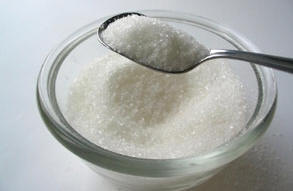
The study was from the American Journal of Clinical Nutrition.  What researchers did was look at how simple sugars or carbohydates effected fat deposits on the liver.  So they fed participants 1000kcal or more of simple carbohydrates per day for 3 weeks.  By doing so they found that participants saw an increase in 27% in liver fat with a 2% increase in body weight. 

So what exactly does this mean?  Well I'm glad you asked.  Basically our liver plays a crucial role is metabolism of fat, carbs, and proteins.  When the liver gets overloaded with work fat deposits start to build up.  Picture Lucy working the conveyer belt.  The liver gets backed up and results in nonalcoholic fatty liver disease.  You guessed it.  The same thing can happen in alcoholics.  If you drink too much on a regular basis it can result in alcoholic fatty liver disease.  The results are the same; weight gain, slowed metabolism, metabolic disease, insulin resistance, diabetes, and even liver failure. 

So they are finding that consuming too much simple sugars on a regular basis can lead to the same liver damage as drinking too much alcohol.  Imagine if you do both!  While it seems rare that nonalcoholic fatty liver disease results in death it is a possibility.  More common it will lead to insulin resistance, weight gain, and metabolic disease. 

This is your liver on sugar.  Any questions?
And now for the good news.  After they overfed these individuals for three weeks they placed them on a low simple sugar diet for 6 months.  During this time they lose 4% of their body weight and 25% of their liver fat.  So this problem may not be permanent.  Although it only took 3 weeks to cause significant damage and 6 MONTHS to almost get back to where they were. 

This is just another example of how just a few weeks of a bad diet and cause months of issues.  While it is great news these problems can be fixed, you better be ready for some serious work to get your liver functioning better.  So make sure you are watching how much simple sugar is in your diet.  You liver might be getting fat which is making it harder and harder for you to burn fat and carbohydrates, even if you workout.

You Stay Healthy San Diego!

Mike Deibler MS, CSCS
www.sandiegopremiertraining.com
www.myworkoutcreator.com
 

Thursday, September 6, 2012

3 Foods You NEED To Eat Weekly

Hey there.  I wanted to put a quick blog post up to hopefully help you with your nutrition program.  I do my best to say nutrition program, since the word diet has such a bad connotation.  A healthy nutrition plan is something that we should be doing 90% of the time.  A diet is a quick fix you use to try and drop some weight fast.  The problem with diets, as I'm sure you already know, is that the weight that came off so fast has probably crept right back on. 

I'm currently reading a nutrition book that is really changing my philosophy on nutrition.  As soon as I finish I plan to revise my current nutrition program I do for my clients based on this book.  I will post my ideas once I finish.  The main concept though is to concentrate on foods that you need to eat daily or weekly instead of focusing on which foods you can't eat. 

So think of this post as a sneak peak.  Here are three superfoods you want to be eating each week:

1.  Beans

Beans can be used in a variety of ways to spice up your meals.  An easy way to increase your bean consumption by substituting you common carbs for beans.  So instead of rice, pasta, or bread as a side try using different types of beans.  Beans are a source of low fat protein.  When meat consumption increases so does fat.  Bean can be used as a protein source instead of meats.  Beans are a good source of vitamins, especially, thiamine, riboflavin, niacin, and folacin.  Some studies even showed that increased bean consumption significantly lowered the risk of death from heart disease.  They also balance your blood sugar levels and have high fiber.  There is even promising evidence that they may help prevent pancreatic cancer and cancer of the colon.  And for weight loss, they can fill you up, which can help you consume less.

Try and eat a serving a beans at least 4 times per week.

2.  Blueberries

This is a personal favorite of mine.  My top ways to use blueberries are in greek yogurt, in smoothies, and in oatmeal.  Blueberries contain more disease fighting antioxidants than just about any other fruit or veggie.  One study in the Journal of Clinical Nutrition found that eating 1 cup of blueberries a day resulted in higher levels of anti-oxidants in their blood.  This plays a role in preventing cardiovascular disease, diabetes, senility, cancer, and degenerative eye disease.  They have even been shown to lower the risk of breast cancer and reduce the effects of age related disease, like Alzheimer's. 

Try and eat a serving of blueberries daily.

3.  Broccoli

I know broccoli may not be a tasty as blueberries but its one of the best superfoods out there.  Broccoli may be a most powerful dietary weapon against cancer and it can help boost the immune system.  It is one of the most nutrient dense foods with an incredibly low calorie cost.  Try and consume it both raw and cooked.  The raw form has more vitamin C while cooking them makes the carotenoids more bioavailable.  Broccoli increase the enzymes in our body that kill abnormal cells and helps the body limit oxidation.  Broccoli sprouts might be even more powerful.  Researchers estimate sprouts provide ten to one hundred times the power to neutralize carcinogens.

Try to eat a serving daily.

That's it for now.  I promise to include more superfoods for you to include each week in your nutrition program.  Definitely start with these power packed foods. 

You Stay Healthy San Diego,

Mike Deibler
San Diego Premier Training
My Workout Creator


Tuesday, August 28, 2012

Fat That Will Reduce Your Risk of Heart Attacks

You probably have heard that Rosie O'Donnell has recently suffered from a heart attack.  Like many other women who suffer from a heart attack, she never called 911.  She thought she had a sore muscle and took some aspirin.  The next day she saw her doctor to discover it was actually a heart attack.

There are many things you can do to reduce your risk of suffering from a heart attack.  Two of the most important things you can do are regular exercise and a well balanced diet.  Speaking of diets, many of us are scared to eat too much fat.   But fat can actually reduce your risk of a heart attack.

Research is showing that a diet higher in Omega 3's can decrease the risk of heart disease while a diet high in Omega 6's lead to increase risk of heart disease. 

Over the last century or so the American Diet has changed dramatically for the worse.  Two types of fats we consume, that you may have heard of, are Omega 3 and Omega 6 Fatty Acids.  Our ancient ancestors probably had a ratio of 1:1 omega 3:omega 6.  Today we are seeing about a 1:10 ratio.  This incredibly unbalance diet filled with processed foods containing corn and soybean oil are resulting in disease, inflammation, and heart attacks.  This type of diet is literally killing us off.  It is our goal to get our diet closer to that one to one ratio which is harder than you think.  Omega 6 Fatty Acids are found every where.

Here are the foods to limit in your diet that are high in Omega 6's:

  • Safflower Oil
  • Corn Oil
  • Soybean Oil
  • Mayonaise
  • Margarine
  • Peanut Oil
  • Potato Chips
  • Microwave Popcorn
  • Granola Bars
  • Or anything fried, from a fast food restaurant, or prepared using any of the above
Here are foods you want to include everyday in your diet high in Omega 3's.

  • Grassfed Beef
  • Omega 3 enriched eggs
  • Edemame
  • Wild Rice
  • Flax
  • Beans
  • Fish (Salmon, Anchovies...)
Just start looking at some of the ingredients in your most common foods.  If you see corn or soybean oil you might want to try something else.

You Stay Healthy San Diego,

Mike Deibler MS, CSCS
San Diego Premier Training
My Workout Creator
Monday, August 13, 2012

How To Look Like An Olympian

If you are like me at all, you have been stuck to the TV the last few weeks watching the Summer Olympics.  I always get a little bummed when the games first start since I never was able to quite make it to the Olympics for the high jump, but I get over it pretty quick once the games get going.

It is amazing how inspiring it can be just watching how hard these athletes have worked to get where they are.  Its pretty funny how motivated I get watching each sport.  All of a sudden I need to get in the pool and swim, get out to the track and run, or out to the beach for some beach volleyball.

Another thing you can always see at the Olympics is amazing physiques.  Athletes just have some of the best bodies out there.  The funny thing is they don't train to look good.  They train to improve performance.  Their defined body is just the side effect.  Two of the best events for seeing amazing physiques is gymnastics and track and field.  For track this includes most events except for distance events and throwers.  Not to put these athletes down, but they usually do not have the ideal body shapes that most people are looking for.

Jessica Ennis Gets A Gold Medal For Abs
I mentioned before these athletes are not training to look better.  They just eat very healthy and practice to get better at their sport.  I saw an interview with Jessica Ennis, the gold medalist in the Heptathlon, who you will notice has an incredible six pack.  She was asked about her training and she said that she doesn't really do any direct training for her abs like crunches and sit ups.  She contributes it to her endurance training, weight training, and sport specific training.

This just reinforces that fact that if you want a six pack do not worry about what the best ab exercises are.  Instead focus on the big picture.  Train to improve health, build muscle, and burn fat in general.  By performing the right types of exercise you have a much better shot at that amazing stomach.  So if you want a better body stop training like everyone else and start training like an athlete.

Here are 4 styles of training you MUST perform to see real changes:

1.  Olympic Lifting:

Olympic lifting may sounds scary, but with a little practice you can master the technique and really start seeing some great results.  Olympic lifts are power movements that encompass total body explosive power.  These are some of the best calorie burning, hormone releasing exercises.  Make sure you get the techniques down first before really pushing the intensity here.  You can use Barbells, KB's, and DB's for these exercises.  You might want to work with a coach to perfect these moves first.  Below are some examples:

Barbell Jerk:
 
Kettlebell Snatch:

Barbell Power Clean:

2.  Sprinting

There is no arguing that sprinters are just unbelievably defined.  You can see just about every muscle in their body.  Sprinters have some of the best physiques in athletics so there must be something to sprinting and looking good.  There are studies that actually show that sprinting or anaerobic exercise leads to increased metabolic activity and increased anabolic hormone levels such as Growth Hormone.

The more metabolic disturbance you can create, the more fat you will burn during and post workout.  The higher of an anabolic response you can get the more muscle tissue will build.  This is the key to a more toned body.  Increase exercises that burn fat and increase muscle mass so you can see the muscle better.  And as always do not worry about bulking up for women.  You will not be able to increase anabolic hormones enough to build that much muscle.  

3.  Interval Training

I've blogged about this in the past a number of times so I'm not really going to go into this point too much.  Here is one older post if you want to read it:  http://premiertraining.blogspot.com/2010/06/burn-5-times-more-fat.html.  Just know that study after study is showing that high intensity interval training will outperform slower more traditional cardio any day.  That doesn't mean you have to get rid of your slower cardio, just add HIIT into the picture more often. 

4.  Compound Exercise

There should be a recurring theme here.  If you choose an exercise technique that can increase fat burning by causing more metabolic disturbances and at the same time build muscle by increase anabolic hormone release you will see great results.  If you choose two exercise techniques that do this you see even better results, and so on.  Compound exercise means you are getting away for single joint isolated exercises and incorporating multi-joint, total body exercises.  For example a squat with an overhead press is a compound exercise vs a leg extension is a single joint, isolated exercise.  If you just look at the two exercises it is pretty clear which one will be tougher and more effective.   So when you select what exercises you are performing look at how many different muscles are working at one time.  If you can name 2 or more you are in good shape.

So try considering these four elements to your fitness program.  Some may be very challenging at first.  Do not worry about intensity initially.  For example, for the olympic lifts you may want to practice with a broom stick for a while to get the technique down before you add weight.

You Stay Healthy San Diego,

Mike Deibler MS, CSCS
San Diego Premier Training